INTERNATIONAL

The Chinese experience

25 Temmuz 2026

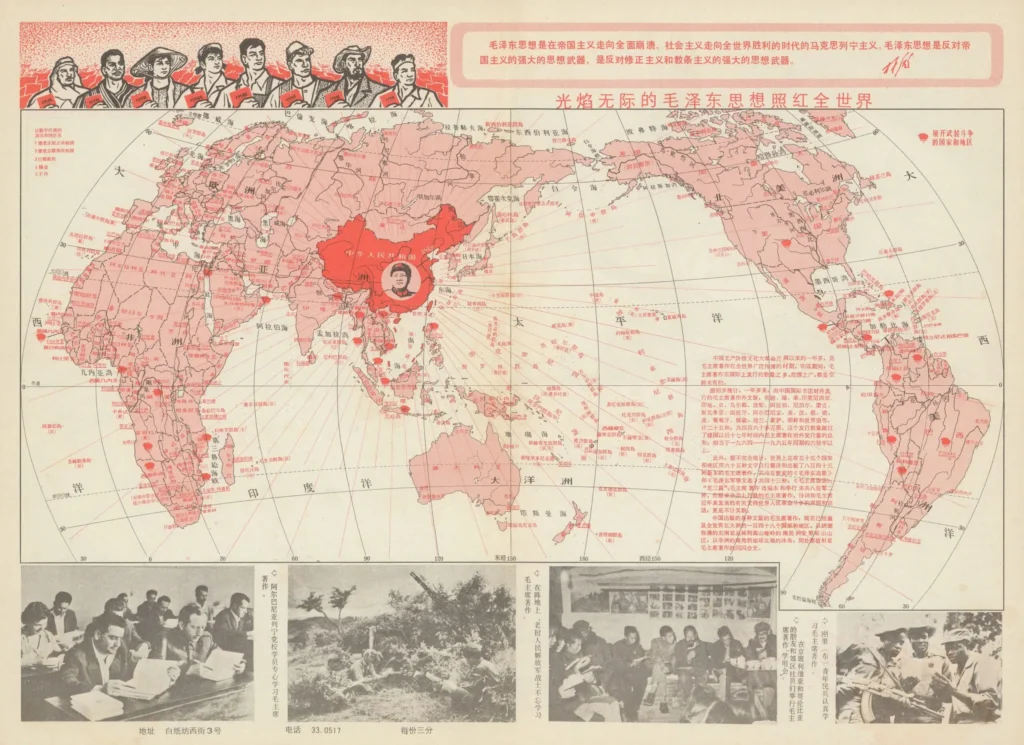
From the founding of the Communist Party of China to the rise of a multipolar world order, Torkil Lauesen reads the Chinese experience through the shifting principal contradictions of the last century. Moving across COMINTERN, national liberation, Maoist praxis, the Cultural Revolution, neoliberal globalization and China’s contemporary rise, the text asks what remains of the socialist horizon when revolution is forced to pass through the national state —and what it would mean, today, to think that horizon again on a world scale.
Neither imperialist nor anti-imperialist: Minqi Li on China in the world system

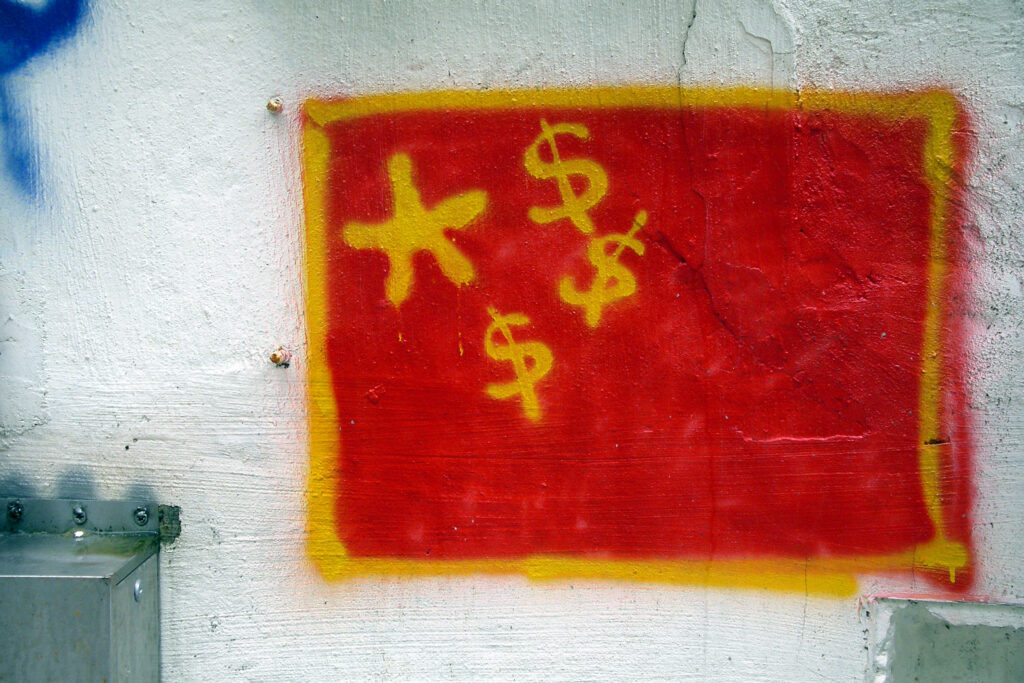
China’s place in the world system and the class character of its state have become two of the most contested questions in critical academic and political debate. In recent years, Minqi Li has emerged as one of the key voices in these discussions, both in the Chinese New Left and in the English-language literature, especially on the question of whether China has become, or is becoming, an imperialist power. In this interview, Li, a political economist at the University of Utah and a leading figure of the Chinese New Left, lays out his view of China’s role in the capitalist-imperialist world system and responds to several criticisms of his position.

“Maoism is all about winning the revolution”: An interview with Fred Engst on the past and present of China and beyond

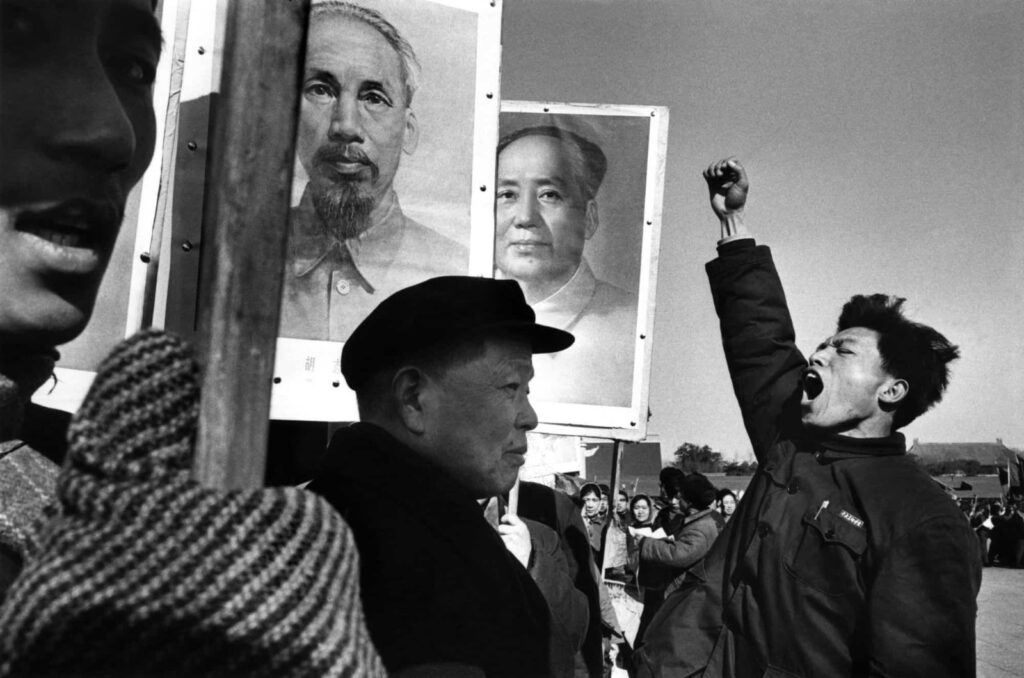
A “red diaper baby,” a Red Guard, a worker, an academic, and an activist… Fred Engst (Chinese name: 阳和平 Yang Heping) has an extraordinary life story. Born in Beijing in 1952 to American parents who had joined the Chinese Revolution, he grew up on a state-owned farm in Xi’an and participated in the Cultural Revolution as a Red Guard. He later spent five years working at the Guanghua Timber Factory. After moving to the United States in the mid-1970s, Engst continued working as a laborer while pursuing his education, eventually earning a Ph.D. in economics from Rutgers University. He returned permanently to China in 2007 and currently teaches econometrics at the University of International Business and Economics in Beijing. In this interview conducted by Onurcan Ülker, Engst draws on his remarkable personal and political experiences to discuss capitalist restoration, imperialism, the Cultural Revolution, and the continuing relevance of Maoism.

Insurgency under authoritarian labor regimes: An interview with Immanuel Ness

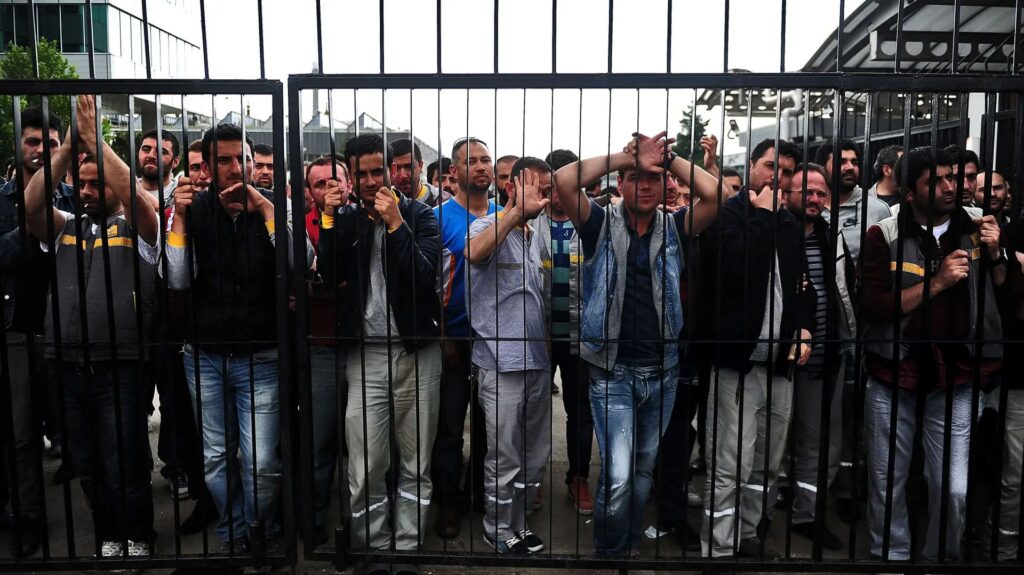
Over the last four decades, labor has been disciplined through a familiar set of mechanisms. Wages are held down, contracts are made precarious, protections are weakened, and institutions of representation are redesigned to contain conflict in the name of “industrial peace.” Yet the erosion of rights has not produced passivity. It has generated new and often improvised repertoires of struggle, including wildcat strikes, grassroots committees, rank-and-file pressure on unions, and recurring debates over how to turn disruption into lasting organizational power. Moving from strategic profit centers to export-processing zones built to keep workers atomized, this interview returns to a basic question: What kinds of organization can endure under authoritarian labor regimes? Ulaş Taştekin speaks with Immanuel Ness, the author of Organizing Insurgency.

Troublemakers’ resistance: An interview with Jamie Woodcock

“Why would anyone want to read about my work?” It’s a question that comes up whenever labour is made to feel ordinary, private, and not worth noticing—and that’s precisely why it matters. Drawing on years of fieldwork and his work with the Notes from Below collective, Jamie Woodcock treats workers’ stories as a starting point for organizing: a way to make conditions speakable, comparable, and shareable across workplaces. In this interview, we discuss class composition and workers’ inquiry, why wildcat strikes so often become the first public break in enforced obedience, and how “troublemakers” push against resignation when unions stall and insecurity isolates. From the hidden rules of platform work to the visibility of street-level resistance, Woodcock insists that class struggle hasn’t disappeared—it keeps resurfacing in places we’re told not to look.

Climate change as class war: Interview with Matt Huber

Matt Huber’s Climate Change as Class War (2022, Verso) has sparked significant debates in Anglo-American circles with its class-based approach to the climate crisis. Rejecting consumption-focused narratives and reframing the crisis through the lens of power structures in production relations, Huber argues that the climate crisis is essentially a class war—one that must be fought against the ruling classes controlling energy, industry, and the means of production. In response to questions by Berkay Koçak, Huber invites reflection on how this class-centered perspective can resonate in the Global South, in semi-peripheral economies, and especially within neoliberal contexts like Turkey.

Neoliberal capitalism at a dead end: Interview with Prabhat Patnaik

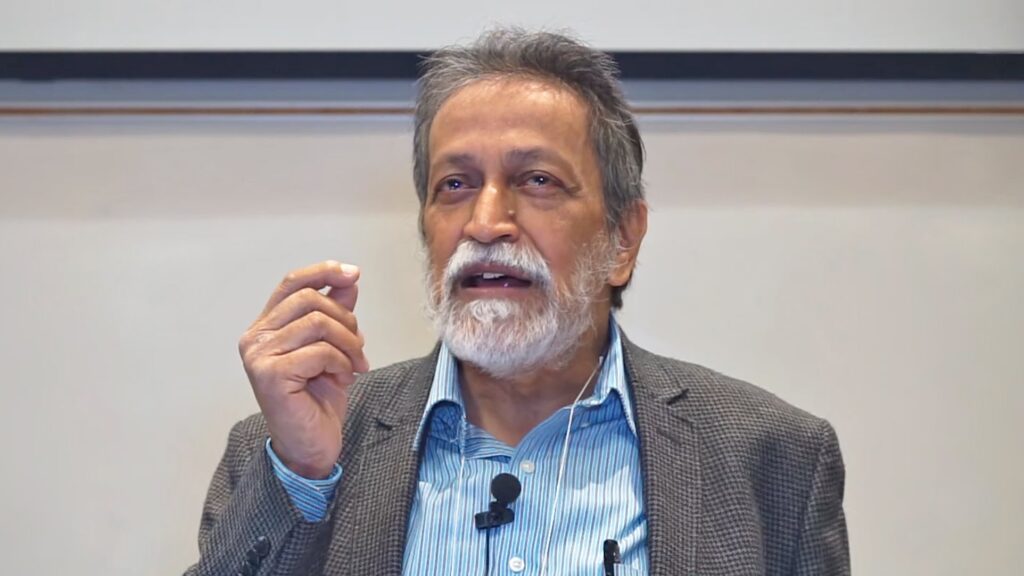
The world situation has long been described as a dead end. Billions of people in every region of the world, suffering from high prices, poverty, unemployment and indebtedness, are looking for a way out. Amidst this economic crisis, and the authoritarian political regimes that limit the political sphere to raise social demands, it is clear that the way out must extend beyond the existing economic, political and social. We spoke with Prabhat Patnaik, one of the most respected economists in the world, whose books, articles and columns have been translated into every language, about the crisis of neoliberal capitalism, authoritarian regimes and “what to do” about the alternatives to this impasse.

Neoliberalism and Welfare: Interview with Susanne Soederberg

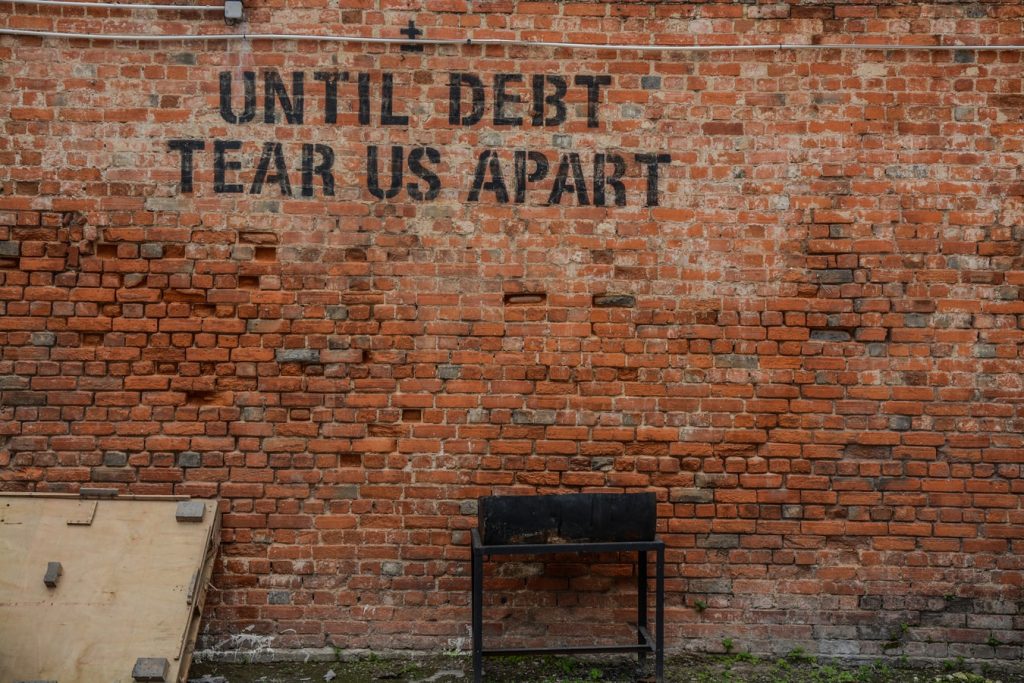
Our ‘special series on neoliberalism’ continues with an interview on ‘Neoliberalism and Welfare’ with our guest Susanne Soederberg. Studying subjects such as the political economy of housing and the geopolitics of indebtedness, Soederberg published the monograph Debtfare States and the Poverty Industry: Money, Discipline and the Surplus Population. In her latest work, Urban Displacements: Governing Surplus and Survival in Global Capitalism, Soederberg analyses the housing question through the case studies of Berlin, Vienna and Dublin.

Neoliberalism and the State: Interview with Pınar Bedirhanoğlu

In the first interview of our series, we spoke with Pınar Bedirhanoğlu on “neoliberalism and the state” in a broad intellectual framework ranging from the capitalist state to the modern state form, from the political Islamist transformation of society in Turkey to corruption across the globe, from class relations transformed by financialization to the struggle of labor. We hope that this in-depth discussion will serve to clear up a myriad of confusion about the state-market-society triangle, on which there has been much debating but no consensus has yet been reached.

Neoliberalism and Imperialism: Interview with Intan Suwandi

Our special series on neoliberalism, which we initiated with an interview with Pınar Bedirhanoğlu, titled “Neoliberalism and the State”, continues with an interview with Intan Suwandi, where we discussed imperialism. Focusing primarily on the transformation of imperialist relations of exploitation in the neoliberal globalization process, the interview covers many issues ranging from the current forms of global division of labor to the post-Covid-19 world

Special series on Neoliberalism

23 Ocak 2021

This interview series will serve to both critique a social reality fraught with contradictions sharpened by the day and rethink the theoretical arsenal indispensable to the construction of an egalitarian society.

“Emancipating knowledge”: Interview with Alexandra Elbakyan, the founder of Sci-Hub

Sci-Hub today holds considerable significance for scientific knowledge. Ranging from university students to professors, many in the science community have to call on Sci-Hub in order to autonomously produce and access knowledge. We spoke with Alexandra Elbakyan, the founder of Sci-Hub, about what makes our path converge with that of science on this platform.